
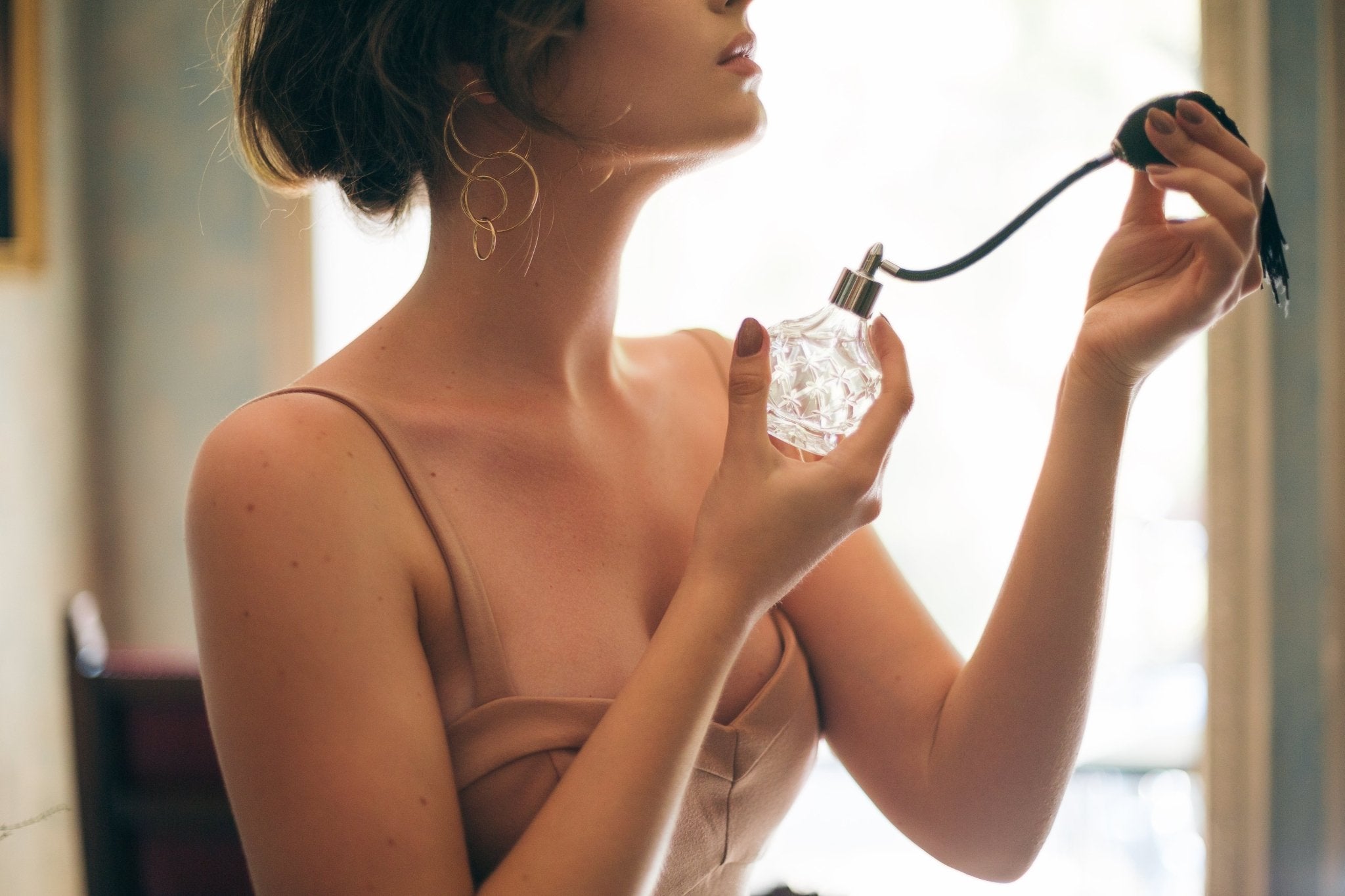
How To Evaluate The Quality Of A Niche Fragrance
Understanding how to evaluate the quality of a niche fragrance requires more than reading a note breakdown or reacting to a first impression. Niche perfumery is built on artistry, ingredient integrity, and compositional balance. While price and brand reputation may suggest quality, true evaluation depends on structured observation and informed testing. If you want to build a refined fragrance collection, you must learn to assess performance, raw material depth, structural harmony, and authenticity.
Ingredient Quality and Raw Material Depth
High-quality niche fragrances typically prioritize superior raw materials. While not every brand discloses sourcing details, you can often detect ingredient depth through scent clarity and evolution. Natural materials such as iris, oud, rose, sandalwood, and resins possess layered complexity. When well sourced, they reveal subtle transitions rather than remaining static. Synthetic molecules are also essential in modern perfumery, but in high-quality compositions, they are integrated smoothly rather than appearing sharp or metallic. Pay attention to texture. Does the rose feel velvety or thin? Does the citrus sparkle naturally or fade abruptly?
Structure and Composition Balance
Every fragrance follows a structure built around top, heart, and base notes. Evaluating how these phases interact is central to determining quality. Top notes create the introduction. They should feel deliberate and clear without excessive harshness. Heart notes define the character of the fragrance and should transition smoothly from the opening. Base notes anchor the composition and provide longevity. In lower quality blends, transitions can feel disjointed. The opening may disappear suddenly, leaving an unrelated base. In higher quality niche compositions, the movement between stages feels cohesive and controlled. The fragrance evolves with continuity rather than fragmentation.
Longevity and Projection
Longevity and projection are measurable aspects of quality, though they must be interpreted within context. Higher concentration fragrances such as eau de parfum or extrait typically last longer, but concentration alone does not guarantee refinement. Apply the fragrance to your skin and monitor performance over eight to ten hours. Does it remain perceptible without becoming intrusive? Does it maintain character as it dries down? Projection refers to how far the scent radiates from your skin. A quality niche fragrance projects with clarity rather than aggression. It should create presence within personal space without overwhelming shared environments.
Complexity and Development
One hallmark of niche perfumery is multidimensional development. Complexity does not mean confusion. It refers to layered progression that reveals new nuances over time. Observe whether secondary notes emerge after thirty to sixty minutes. For example, subtle spice beneath woods or soft florals supporting leather. These hidden details often distinguish artisan compositions from simplified mass market formulas. If a fragrance smells identical from opening to dry down, it may lack structural depth. While linear fragrances are not inherently inferior, niche quality often involves evolution and storytelling through scent transitions.
Originality and Creative Direction
Niche houses are known for creative freedom. Assess whether the fragrance presents a distinctive interpretation or resembles a widely available designer profile. Originality may appear in unexpected note combinations, unconventional raw materials, or nuanced reinterpretations of classic accords. However, originality must remain wearable. A high-quality niche fragrance balances creativity with coherence. When evaluating originality, consider how often you encounter similar profiles in public spaces. A signature scent should feel distinctive without becoming inaccessible.
Bottle Construction and Presentation
While the liquid determines performance, packaging often reflects brand standards. Examine bottle weight, atomizer quality, cap fit, and labeling precision. A quality niche fragrance typically features solid construction and clean printing. The spray mechanism should deliver even distribution rather than uneven bursts. Packaging details signal the level of care invested in the overall product. Although minimal design can still represent luxury, inconsistency or poor finishing may raise concerns about sourcing or authenticity.
Authenticity Verification
Knowing how to evaluate the quality of a niche fragrance includes verifying authenticity. Counterfeit products often compromise raw material quality and structural integrity. Check for batch codes on both the bottle and the packaging. Compare printing alignment and examine the clarity of brand markings. Authentic bottles maintain consistent detailing and material quality. Purchase from verified retailers to reduce risk. Authentic sourcing ensures the fragrance performs as intended and maintains the standards set by the original perfumer.
Skin Chemistry and Personal Fit
Quality evaluation must include compatibility with your skin. A technically refined fragrance may not align with your chemistry or lifestyle. Test the fragrance in different conditions. Observe how it performs in warm and cool environments. Notice whether it remains comfortable throughout extended wear. Personal fit does not change objective quality, but it determines whether the fragrance functions effectively as part of your wardrobe.
Seasonal and Contextual Suitability
A niche fragrance may excel within a specific context. Heavy resin and oud compositions perform strongly in cooler weather but may feel dense in summer heat. Fresh citrus and aromatic structures often thrive in warmer climates. Assess whether the fragrance aligns with your primary usage. Professional settings may require controlled projection, while evening events allow for a stronger presence. Quality evaluation includes determining whether the composition fulfills its intended purpose effectively.
Price Versus Value
Price alone does not define quality. However, higher price points often reflect concentration levels, raw material sourcing, and smaller production volumes. Consider the cost per wear. A 100-milliliter bottle used at three sprays per day can last close to a year. Viewed through this lens, investment in a high-quality fragrance may represent long-term value rather than impulse spending. Evaluate whether the craftsmanship and performance justify the price rather than relying solely on brand prestige.
Building A Discerning Collection
Learning how to evaluate the quality of a niche fragrance allows you to build a curated collection based on performance and identity rather than impulse. By focusing on raw material depth, structural balance, originality, and authenticity, you develop confidence in your selections. Our curated perfume selection emphasizes craftsmanship, compositional integrity, and verified sourcing to ensure each bottle meets established standards of niche perfumery. When you approach fragrance evaluation with discipline and patience, you move beyond marketing narratives and toward informed appreciation.
For guidance in selecting refined, authentic niche fragrances, explore the collection at Mystic Perfume. Contact us today to find a fragrance that meets your quality standards.

Written by Thu Pham


Leave a comment
This site is protected by hCaptcha and the hCaptcha Privacy Policy and Terms of Service apply.